Keno | Rules, Features & Number-Draw Guide
A clear introduction to Keno, a cards-category game based on selecting numbers and checking them against a draw.
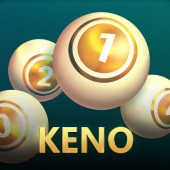
In brief, choose a permitted number set, confirm the stake and draw rules, then compare the result with your selection. Every draw is uncertain; review the available information and decide within a limit you can afford.
Other cards games to compare with Keno
These compact listings offer a quick way to compare the cards category. Their tiles open the site's game entry point rather than linking to a separate game guide.
What to check in Keno before a round
A practical feature comparison
Start with the rules displayed in the game. Keno generally presents a number field, a selection step and a draw, but the exact number range, selection limit, stake options and payout table depend on the implementation. Read the current instructions instead of assuming every version uses identical settings.
- Selection controls: notice how many numbers may be chosen and whether the interface offers a quick-pick option. A quick pick changes the selection method, not the uncertainty of the draw.
- Stake and cost: confirm the total amount for one round before submitting. If the interface provides several stake levels, compare them in currency terms rather than treating a larger stake as a better chance.
- Draw and result display: find out when a round is final, where the drawn numbers appear and how matches are counted. This makes it easier to read a result without guessing.
- Paytable and limits: look for the prize table, minimum or maximum stake, and any stated round limits. A published table describes rules; it does not promise a particular outcome.
A demo environment, if offered, can help you learn the controls without risking a cash stake. Treat Keno Demo as a way to practise navigation only: demonstration results do not establish future results or predict a paid round. The label 777 casino Keno identifies this listing; it is not a claim about a special probability or guaranteed return.
How Keno's number-draw rhythm feels
The experience is built around a short choice-and-reveal cycle. You review the number board, make a selection, confirm the displayed cost and wait for the draw. The visual focus is usually on marked numbers and a result area, so the sequence can be understood quickly even by a first-time visitor.
That concise rhythm can make successive rounds feel close together. It is useful to slow down deliberately: pause to check the total stake, read the result, and decide whether you actually want another round. There is no need to chase a pattern or react to a near match. A previous draw does not make a particular number due in the next one.
When comparing Keno with a conventional reel game, pay attention to what each interface asks you to do. Keno foregrounds number selection and a draw; a slot title may centre on reels, symbols and feature instructions. The broader catalogue also includes Ocean King Jackpot, whose fishing-game presentation provides a different pace and interaction style. Explore descriptions to understand those differences rather than assuming the titles share rules.
Audio, animation speed and the placement of controls affect comfort, but are not evidence of improved odds. If visual motion makes it difficult to follow the numbers, use available display or sound controls, take a break, or leave the game. A clear interface should help you understand each step—not pressure you to continue.
How Keno selection and draws work
First, select only within the on-screen rules; then the draw determines which selected numbers match. The game instructions and paytable explain how a match is evaluated. Because versions can differ, use the exact rules shown for this game instead of importing assumptions from another Keno table.
- Review the board. Identify the allowed number range, how selection is made and whether selections can be cleared before the round begins.
- Set a fixed stake. Check the displayed total and make sure it fits the session budget you planned before opening the game.
- Confirm the round. Submit only when the selected numbers and stake are correct. Avoid tapping repeatedly if the interface is still processing.
- Read the result. Compare the drawn numbers with your selection and consult the paytable to understand how the game records a result.
- Choose whether to stop. A win, loss or close result does not change the randomness of a later draw. Continuing is optional.
Do not infer a payout rate from a handful of rounds. Return-to-player figures, if the provider publishes them for this title, are long-run theoretical measures under stated assumptions; they are not a forecast for an individual session. No specific RTP, jackpot value or probability is stated here because those figures should be verified in the current game information rather than guessed.
The 777 casino app download route is a separate access choice and does not alter the game rules. Before installing any software, verify that the source is official and review device permissions. Whether accessed in a browser or through an app, protect account credentials and avoid playing on a shared or unsecured device.
What players should assess in Keno
Judge the experience by clarity and control, not by unverified claims of results. Useful questions include whether the selection is easy to review, whether the cost is visible before confirmation, and whether the result history is legible. These checks help each visitor form an independent view without relying on invented ratings or testimonials.
Before using a paid mode, a player may want to know whether the rules are available in plain language, how to return to the game lobby, and where account limits can be set. Those practical details often matter more than decorative effects. If a key rule or price is unclear, do not submit a round until it is understood.
People also differ in how they respond to a rapid reveal cycle. Some prefer the direct interface; others may find frequent decisions tiring. Set a session timer and use it even when a round is unfinished. If the session no longer feels like entertainment, step away rather than increasing a stake to recover a previous loss.
Readers who want a different card-table reference can compare the rules and presentation of Las Vegas Blackjack. Blackjack uses a different decision structure, so its rules and outcomes should not be mapped onto Keno. A useful comparison is about interface, pace and instructions—not a prediction about which game will pay more.
Key decisions to make before Keno
The safest way to approach Keno is to understand the rules, choose a modest pre-set limit, and regard every draw as uncertain. These simple checks can keep a quick game from turning into unplanned spending.
- Read the number-selection rules and paytable in the actual game before committing a stake.
- Decide your total entertainment budget and time limit in advance; do not borrow or use money intended for essentials.
- Use a demo only to learn controls when available; its results do not predict paid play.
- Take a break after a planned interval and stop when your limit is reached, regardless of the result.
- Never treat a streak, near miss, pattern or promotional message as a guarantee of future results.
If you are comparing the catalogue, Super Ace is another listed title with its own instructions and presentation. Review its information separately: a different game name does not imply shared mechanics, payout terms or risk. Gaming should remain optional entertainment, not a source of income.
Keno facts at a glance
Quick answer: Keno is listed in the cards category. Its play cycle centres on a number selection followed by a draw, with matching and any applicable result determined by the displayed game rules.
- Listing name: Keno.
- Category: cards.
- Core interaction: select numbers, confirm the round and review the draw result.
- Rules source: use the live game's instructions and paytable for exact selection limits, stakes and evaluation.
- Responsible approach: set an affordable spending and time limit; no round guarantees a particular result.
These facts describe the listing and a general way to understand number-draw play; they do not substitute for the current in-game rules. Verify any feature or offer shown to you before deciding whether to participate. If you choose not to play, you can still use this guide to understand the terminology and compare game formats.
Keep Keno within a planned limit
Set a spending cap before a session and consider that amount entertainment spending, not a balance to win back. Decide when you will stop based on time as well as money. Avoid playing when distressed, tired, under pressure, or affected by alcohol or other substances.
Never increase a stake because of a losing sequence or to recover money. A draw is uncertain, and a previous result cannot promise what comes next. If it becomes difficult to follow your own limits, stop, use available account controls and seek support from a trusted person or an appropriate local service.
Keep account information private, use a secure device, and check the terms that apply to the service in your location. Adults only; follow local laws and the platform's eligibility rules. Participation is optional, and there is no need to play to enjoy or understand a game guide.